
Browse the various social media platforms, any one of them, today, and you would find an array of content, ranging from videos, posts, carousels, podcasts, blogs, reels, newsletters, etc. Everyone around us seems to be producing something or the other. And thus, the perception is that content creation is simply a trend, a phase of the digital age, a temporary wave, a fad around which everybody is surfing to seek attention.
However, after spending years observing, practicing, failing, improving, and working deeply in the field of content creation, I have realized that:“Creating content is not a trend; it’s a skill. a powerful one.” It’s a skill that’s long-term, human-centric as well.
Trends are transient; trends grow rapidly but vanish just as rapidly. Compounding is what skills do—skills grow exponentially over time. Skills make careers. Skills build brands. Skills create influence.
Content creation is the art of communicating ideas.
It is the science of understanding human behavior.
It is the discipline of consistency.
It is the strategy behind building trust at scale. Anyone can post. Not everyone can connect.
Skill #1: Clarity of Thought
Before you create content, you must learn to think clearly.
This may sound simple, but in my experience, clarity is one of the hardest skills to develop. Many beginners believe they struggle because they are not talented enough, not creative enough, or not confident enough. But that’s rarely the real problem.
The real issue is scattered thinking.
When your thoughts are not organized, your content feels confusing. You may have good ideas, but if they are not structured properly, your audience will not understand your message. And in content creation, confusion is the fastest way to lose attention.
Over the years, I’ve learned that clear content comes from clear thinking. Before writing anything, I ask myself:
What is the core message?
What problem am I solving?
What should the reader understand by the end?
Can I explain this idea in simple language?
If I cannot explain it simply, it means I do not understand it deeply enough.
Experienced creators develop the ability to:
Simplify complex ideas
They break down heavy topics into digestible pieces. They remove unnecessary jargon. They focus on what truly matters instead of trying to impress.
Structure thoughts logically
Strong content has a flow. One idea leads naturally to the next. There is a beginning, a middle, and a conclusion. It feels guided, not random.
Deliver value without confusion
Every sentence has a purpose. Every paragraph supports the main idea. There is no noise — only clarity.
Clarity is not natural. It is trained.
In the beginning, your writing may feel messy. That is normal. But something powerful happens when you write consistently. Writing forces you to organize your thoughts. It forces you to question your own understanding. It forces you to think deeper.
Skill #2: Storytelling
Let me say this honestly — facts are important. They teach. They inform. They give clarity.
But stories?
Stories make people care.
I’ve created content that was technically perfect. Clean structure. Strong points. Practical advice. And still… it didn’t connect. It felt flat. People read it, maybe even liked it, but they didn’t feel anything.
Then there were times when I simply shared something real. A mistake I made. A moment of self-doubt. A lesson I learned the hard way. No fancy structure. No big strategy. Just honesty.
And those were the posts people responded to.
That’s when I truly understood something — people don’t connect with perfection. They connect with people.
Storytelling isn’t about being dramatic. It’s about being real.

It’s about saying,
“Hey, I’ve been there too.” When you share a story, you’re not just giving information. You’re giving someone a mirror. You’re letting them see their own struggles, fears, or hopes reflected in your words.
But real storytelling takes something deeper.
It takes emotional awareness — being able to sit with your experiences and understand what they actually meant to you.
It takes timing — knowing how to guide someone through your story step by step instead of dumping everything at once.
It takes authenticity — not trying to sound like someone else, not copying viral formats, not exaggerating just to get attention.
And yes, it takes vulnerability.
And vulnerability is uncomfortable.
It’s easier to share tips than to share failures.
It’s easier to teach than to admit you once struggled.
It’s easier to look strong than to say, “I didn’t have it figured out.”
But here’s the truth — you cannot fake real experience. People can feel the difference. They can sense when something comes from the heart and when it’s written just to perform.
When you speak from what you’ve actually lived — not what sounds impressive — your words carry weight. They feel grounded. They feel human.
And that’s what storytelling really is.
It’s not about crafting a perfect narrative.
It’s about sharing a piece of your journey in a way that helps someone else feel less alone.
Facts will teach people something.
But stories will make them remember you.
Skill #3: Consistency Over Motivation
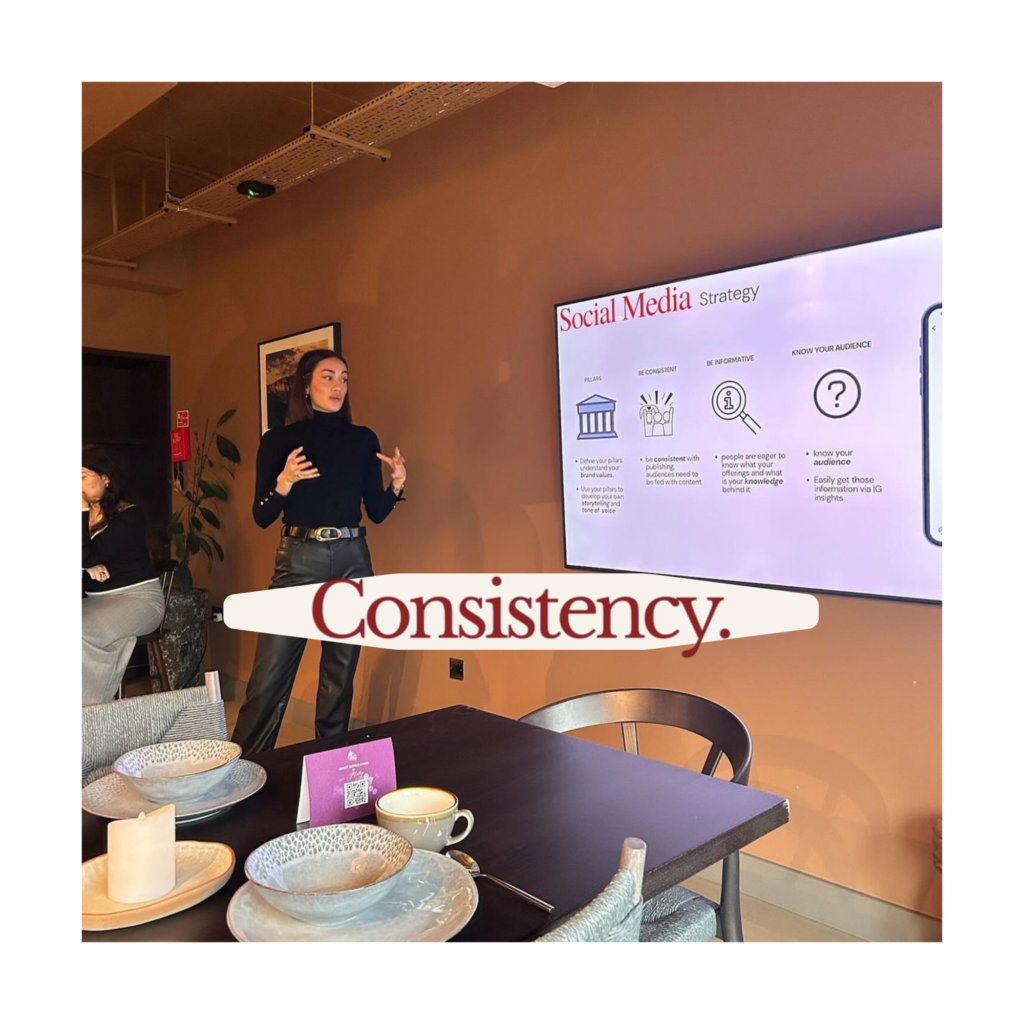
Trends run on excitement.
Skills grow through discipline.
When I started creating content, I waited for motivation. If I felt inspired, I posted. If I didn’t, I stayed silent. And honestly, that slowed my growth.
Because motivation doesn’t show up every day.
Some days you feel confident.
Some days you doubt yourself.
Some days your post gets attention.
Some days it gets ignored.
What I learned is this: growth doesn’t come from motivation — it comes from consistency.
The real progress happened when I showed up even when engagement was low. Even when I wasn’t sure anyone was watching.
Consistency teaches you powerful things:
Analytical thinking – You begin to notice what works and what doesn’t, and you improve with intention.
Creative endurance – You build the ability to keep creating, even on days you don’t feel inspired.
These are not small lessons. These are professional-level skills.
Anyone can post when they feel motivated.
But real creators build discipline.
And discipline is what turns content creation from a hobby into a long-term skill.
Skill #4: Strategic Thinking
Content creation is not just about posting regularly.
Anyone can post.
Not everyone thinks strategically.
In the beginning, many creators (including me) focus only on showing up. We think consistency alone is enough. So we post whatever comes to mind — quotes today, random tips tomorrow, maybe a trend the next day.
But after some time, you realize something important:
If your content has no direction, your growth has no direction.
That’s where strategic thinking comes in.
Strategic content creation means you don’t just ask,
“What should I post today?”
You ask,
“Why am I posting this?”
“Who is this for?”
“How does this support my long-term goal?”
It starts with positioning.
How do you want people to see you?
As a mentor? A designer? A marketer? A storyteller? A business leader?
If your positioning is unclear, your audience will be confused. Strategic creators are intentional about the space they want to own.
Then comes audience targeting.
You cannot speak to everyone. When you try to, your message becomes weak. Strategic creators understand exactly who they are talking to — their struggles, goals, fears, and language. They create content that feels personal, not generic.
Next is brand voice.
Your voice is your identity. Are you direct and bold? Calm and thoughtful? Analytical and detailed? Friendly and conversational?
When your voice is consistent, people start recognizing you — even before they see your name. That familiarity builds trust.
Then comes value delivery.
Strategic content always gives something meaningful:
A solution
A new perspective
A lesson
A relatable story
A clear action step
It’s not about filling space. It’s about serving a purpose.
And most importantly, strategic thinking focuses on long-term authority building.
Experienced creators don’t just chase viral moments. They build reputation. They understand that every post is a small brick in a bigger foundation.
Over time, each piece of content should help you:
Build trust – Show reliability and honesty.
Educate – Share knowledge and insight.
Inspire – Motivate action or reflection.
Convert – Turn attention into opportunities.
Establish expertise – Position yourself as someone who truly understands their field.
When content is created with intention, it compounds. It works for you even when you’re offline. It shapes how people perceive you professionally.
Random posting may bring temporary attention.
But strategic content builds lasting credibility.
Random posting is a trend.
Strategic content creation is a skill.
And that skill separates creators who are visible from creators who are valuable.